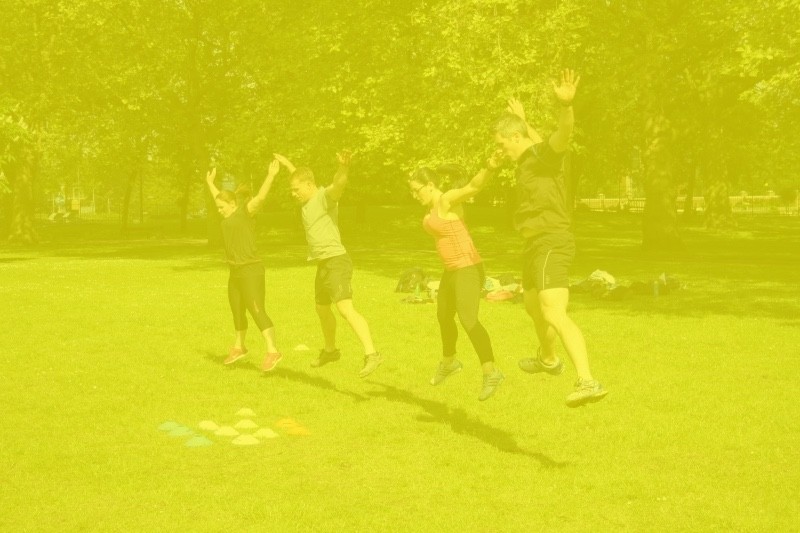
Personal trainers
They saw some progress, but there was a lack of connection, consistency and motivation — and the costs were high.
They are real people, with full lives and a desire to grow.
Here, they find effort, connection, and support.
Meet our family.
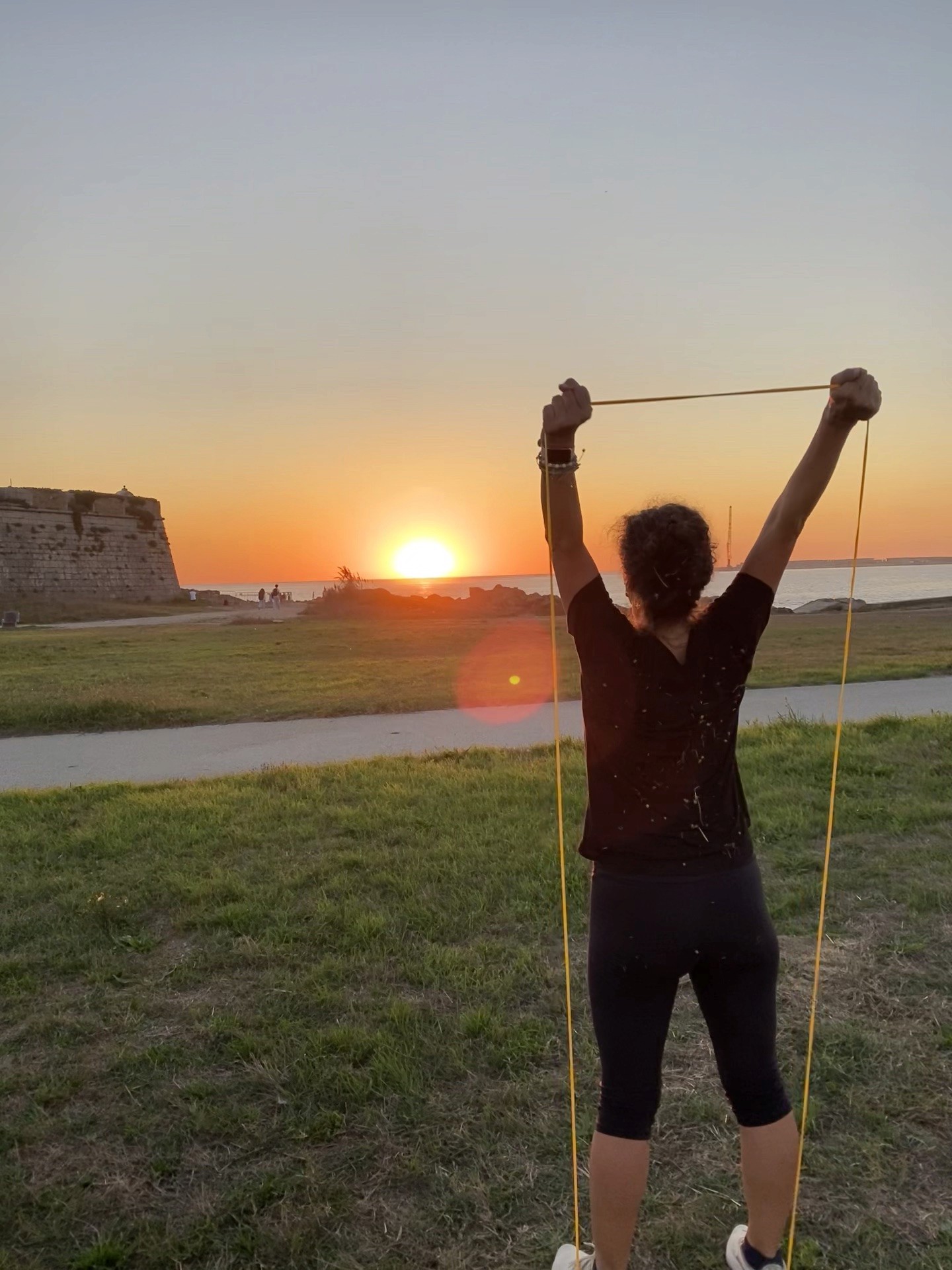

Our students arrive wanting to change. Repeating the same habits is no longer enough for them. They want progress — physical, mental and emotional.
They stay because the right kind of discomfort makes sense. Because they feel connected to their bodies during training. Because the shared effort and the group's energy show this is the place.
They know that change starts in the body. And that it touches everything else.
…useful for everyday life. Here, you train to live better.
Our students want more energy for work. To play with their families. To lead teams. To think clearly. To feel good in their own skin.
They look for practical results: move better. Breathe better. Sleep better.
To have a body that keeps up with the life they want to live.
They are entrepreneurs. Team leaders. Heads of families.
They carry a lot on their shoulders, but they choose to invest in themselves.
They don't just want to survive the day.
They want to live with intention. With presence. With strength.
They know that courage is not the absence of fear.
It is deciding to move forward anyway.
It is varied. But the improvements are visible in just one month.
We have students ranging in age from 19 to 76. The average age is 40.
We have more women than men.
We have it all: hernias, limited mobility and even prosthetics.
Most are a little above what I would like.
Everyone is very focused. Working to achieve their goals.

Mothers come first. They want to feel better and gain energy.
When they start to change, their children see it.
They see more strength, more lightness and more balance.
And they eventually come too. Example is contagious.
A student feels the results. He tells a friend.
Shows more energy, a better routine, and a difference in everyday life.
And the friend shows up. Here, training becomes a shared experience.
They grow together.
At work, it's the same. The changes are visible: more focus, more presence, less stress.
Curiosity is sparked. One colleague invites another.
And training becomes part of the culture among them.
Sometimes it’s the other way around.
The children start, gain rhythm and confidence.
They talk about training at home. They show results.
And the parents realise they also want to feel that.
Movement inspires generations.
They saw some progress, but there was a lack of connection, consistency and motivation — and the costs were high.
They had access, but they had no support. They felt alone, without direction and without motivation.
They had good facilities, but they lacked closeness. They got lost in the routine, without real guidance and without progress.
They were fun, but impersonal. They got lost in the crowd, without corrections, without real progress, and without commitment.